
Organizing a Solo Trip Itinerary: A Beginner’s Step-by-Step Guide
Learn how to organize a solo trip itinerary step by step. Get a free template, practical tips, and avoid common planning mistakes.
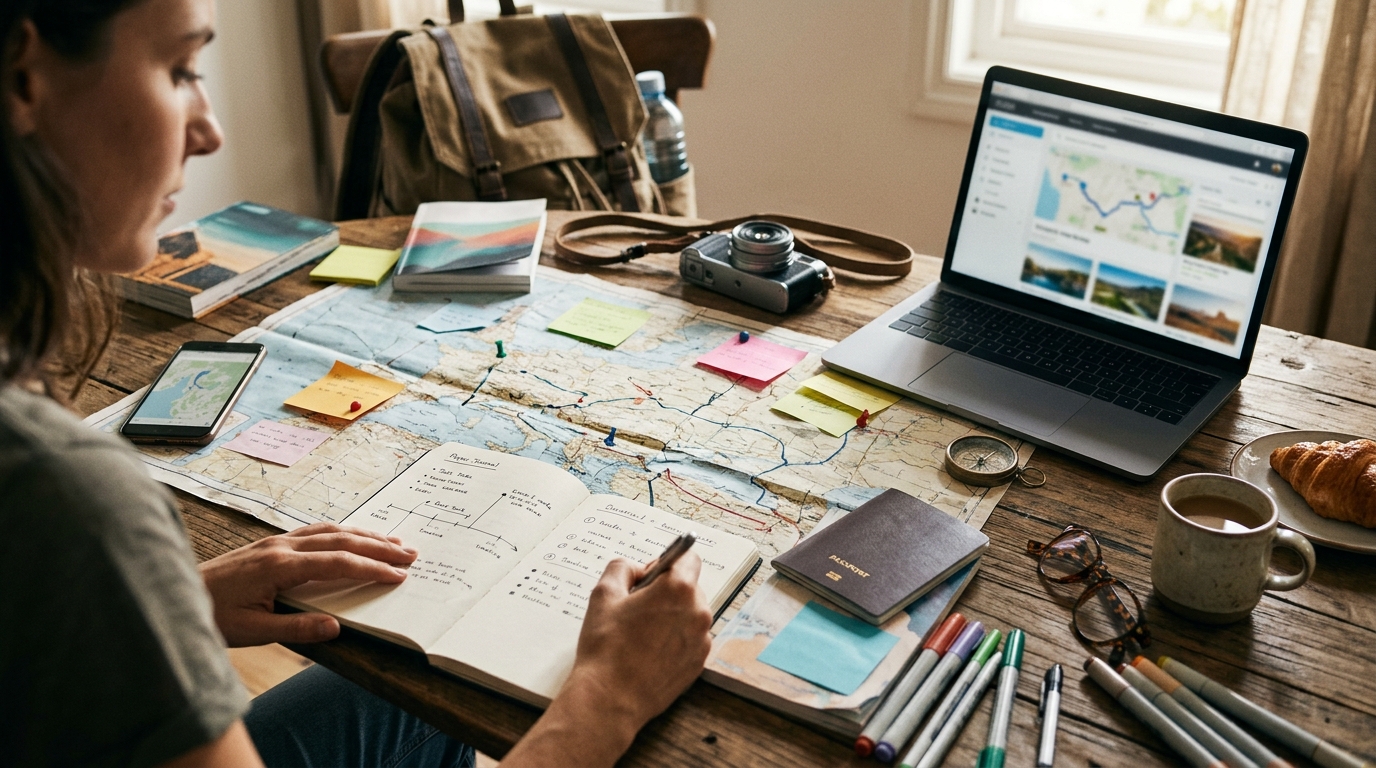
In this guide
Organizing a Solo Trip Itinerary: A Beginner’s Step-by-Step Guide
Planning a solo trip combines excitement with a fair share of questions: where to start, how much to plan, and how to stay safe while allowing room for spontaneity. This guide breaks down the process of organizing a solo trip itinerary into clear, manageable steps. Whether your journey is a weekend escape or a month-long adventure, these principles will help you create a flexible, secure, and enjoyable solo travel experience.
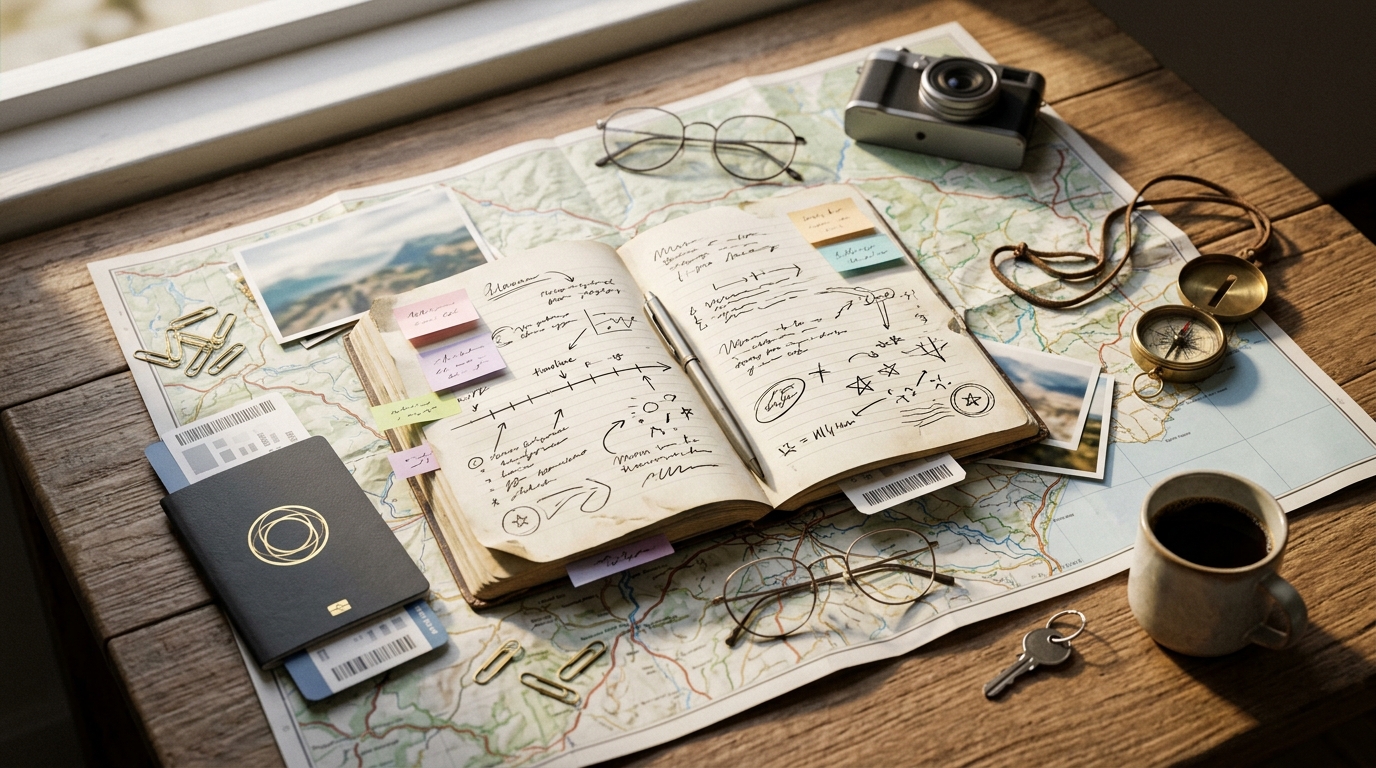
Define Your Travel Style and Budget
Before diving into bookings and daily plans, it’s essential to understand your travel preferences and financial limits. Start by considering your travel style. Are you interested in slow travel, soaking in local culture at a relaxed pace? Or do you prefer adventure, trying new activities and exploring actively? Maybe your aim is to blend cultural immersion with some relaxation. Identifying your style helps narrow down destinations and activities.
Next, set a realistic budget. Break it down into categories such as transportation, accommodation, food, activities, and a contingency fund for unexpected expenses like visas, travel insurance, or gear. Be mindful that costs vary widely by destination and season, so avoid relying on generic figures without checking current data.
Decide how many days you have available and the travel pace you prefer. Some travelers enjoy moving quickly between highlights, while others savor a slower rhythm. Your budget and time availability are interconnected — a longer trip at a fast pace may be more costly, whereas a shorter trip with a relaxed pace might be more affordable.
A key caution here is to avoid overcommitting before you confirm your budget and time off. Also, don’t overlook often forgotten expenses like visa fees or travel insurance, which can add up.
Choose a Destination and Duration
Selecting a solo-friendly destination involves balancing safety, language accessibility, infrastructure quality, and how comfortable you feel traveling alone there. Consider official safety rankings and consult government travel advisories for up-to-date information on your options. Visa requirements and entry rules can change frequently, so verify these early through official embassy or government websites.
Your destination should align with your travel style and budget. For example, if you prioritize cultural experiences and moderate costs, certain cities or regions may fit better than highly touristy or expensive places. Additionally, realistically factor in travel time and jet lag when deciding the trip duration to ensure you have enough time to enjoy your destination.
Avoid relying solely on social media or influencer posts to evaluate safety or suitability; these sources can be subjective or outdated. Instead, consult official sources and multiple traveler reviews from established platforms to form a balanced view.
Research Transportation and Accommodation
Once you’ve chosen your destination and trip length, focus on transportation and accommodation options that offer flexibility and safety. Compare flights, trains, buses, and ride-sharing services, paying close attention to luggage rules, cancellation policies, and refund terms. Since transport prices and schedules can change rapidly, always verify details on official operator websites close to your booking date.
Accommodation choices should prioritize safety and location. Opt for well-connected neighborhoods known for being safe, and read recent reviews from multiple platforms to assess current conditions. Depending on your preferences, you might select hostels for socializing opportunities, guesthouses for a homely atmosphere, or hotels for more privacy and amenities. Whenever possible, choose refundable or flexible booking options to maintain adaptability.
Be cautious with deals that seem too good to be true, as they may include hidden fees or pose safety risks. Avoid booking non-refundable tickets or stays far in advance unless you are certain of your travel dates.
Build a Day-by-Day Itinerary Template
Creating a balanced daily itinerary helps optimize your time without feeling constrained. Begin by listing your must-see attractions and activities. Group these by area to minimize travel between them, saving time and energy.
Allocate realistic durations for each activity, including breaks for meals and rest. It’s crucial to include at least one block of “free time” daily to allow for spontaneity, unexpected discoveries, or simply relaxation.
A simple itinerary template might divide each day into morning, afternoon, and evening segments, with notes on transportation and accommodation details. Include backup options in case plans change or you want alternatives.
Verify opening hours and seasonal availability on official attraction websites as these can change. Be mindful that travel times between sites are estimates; use current maps or transportation apps for more accurate planning.
Avoid the common pitfall of over-scheduling. Leave buffer time to accommodate delays, fatigue, or changes in weather. Resist the urge to book timed tickets for every activity; focusing on a few prioritized experiences usually enhances enjoyment.
Book Essentials and Make Offline Backups
Secure your major bookings—flights, accommodation, and important activities—in advance to reduce last-minute stress. Save all confirmations as PDFs or screenshots on your devices, and print physical copies to carry with you.
Download offline maps and translation apps relevant to your destination, plus a copy of your itinerary and essential documents. Internet availability can vary widely depending on location, so having offline access is a vital safety net.
Share your itinerary and emergency contact information with a trusted person at home. Setting a check-in schedule provides an additional layer of security and reassurance.
Avoid relying solely on your phone’s battery and connectivity. Keep digital and physical copies separate to mitigate the risk of losing all your information at once.
Prepare for Safety and Emergencies
Safety preparation is a cornerstone of solo travel. Research local emergency numbers and note the location of your country’s embassy or consulate in the destination. These details can change, so verify them through official government or embassy websites before departure.
Purchase comprehensive travel insurance that covers medical emergencies, trip interruptions, and other unforeseen events. Carefully read the policy terms to understand coverage limits and exclusions.
Consider sharing your live location with a trusted contact and establish a daily check-in routine to keep others informed of your whereabouts.
Be aware that emergency numbers differ by country, and your home country’s emergency number may not work abroad. Also, avoid over-sharing real-time location details on public social media to protect your privacy.
Stay Flexible and Adjust on the Go
A solo trip itinerary is a guide, not a rigid contract. Weather changes, transport strikes, fatigue, or new local information may prompt adjustments. Building “catch-up” days into your schedule can help you accommodate missed activities without stress.
Remain open to advice from locals, who can point you toward hidden gems or events not found in guidebooks. Keep a list of backup activities for each day to stay prepared.
Don’t feel guilty about skipping a planned attraction if it no longer suits your mood or situation. Solo travel is ultimately about your personal experience and enjoyment.
However, avoid last-minute changes that compromise safety, such as traveling alone at night in unfamiliar or unsafe areas.
Practical Steps for Organizing Your Solo Trip Itinerary
1. Write down your budget, travel dates, and top three interests to focus your planning. 2. Choose a destination that fits your budget and comfort level, and check visa rules early. 3. Book refundable transport and accommodation where possible to maintain flexibility. 4. Create a list of must-see attractions and group them geographically. 5. Draft a daily itinerary template dividing the day into morning, afternoon, and evening, including free time. 6. Save all booking confirmations as PDFs and download offline maps and apps. 7. Share your itinerary with a trusted contact and agree on a check-in schedule. 8. Purchase travel insurance and note local emergency numbers and embassy locations. 9. Review your plan 48 hours before departure, verifying any changes in regulations, schedules, or safety advisories.
Common Pitfalls to Avoid
- Overplanning every hour can lead to burnout and missed opportunities for spontaneous experiences.
- Underestimating travel time between attractions causes unnecessary stress.
- Leaving visa or entry requirement checks until the last minute may jeopardize your trip.
- Relying solely on phone-based maps without offline backups risks getting lost when connectivity fails.
- Booking non-refundable deals locks you into a rigid schedule and reduces flexibility.
- Ignoring safety advisories to save money can put you at risk.
- Not sharing your itinerary with anyone at home reduces your safety net.
Frequently Asked Questions
How far in advance should I plan a solo trip itinerary? For international trips, start planning at least 2-3 months ahead to secure better prices and manage visa applications. For domestic trips, 3-4 weeks often suffice. Always allow a few days before departure to finalize details and prepare offline backups.
What should be included in a solo travel itinerary template? A good template includes the date, day number, city or area, morning/afternoon/evening plans, transportation notes, accommodation details, and a backup activity. It should also list emergency contacts, embassy information, and a daily budget tracker. Leave blank spaces for flexibility and spontaneity.
Conclusion
Organizing a solo trip itinerary can feel daunting but doesn’t have to be stressful. By systematically defining your budget and travel style, selecting a fitting destination, crafting a flexible daily plan, and preparing for safety and emergencies, you create a roadmap that fosters both confidence and freedom. Always verify time-sensitive details like visas, transport schedules, and safety conditions before departure. Keep offline backups of essential documents and remain open to adjusting your plans as your journey unfolds. Your solo adventure is not only about exploring new places but also about discovering more of yourself. Start planning and embrace the journey ahead.
—
Disclaimer: This guide provides general planning advice. Travel regulations, prices, schedules, and safety conditions change frequently. Always verify current entry rules, transport options, and official safety advisories before booking or departure. The author is not liable for any decisions made based on this content.
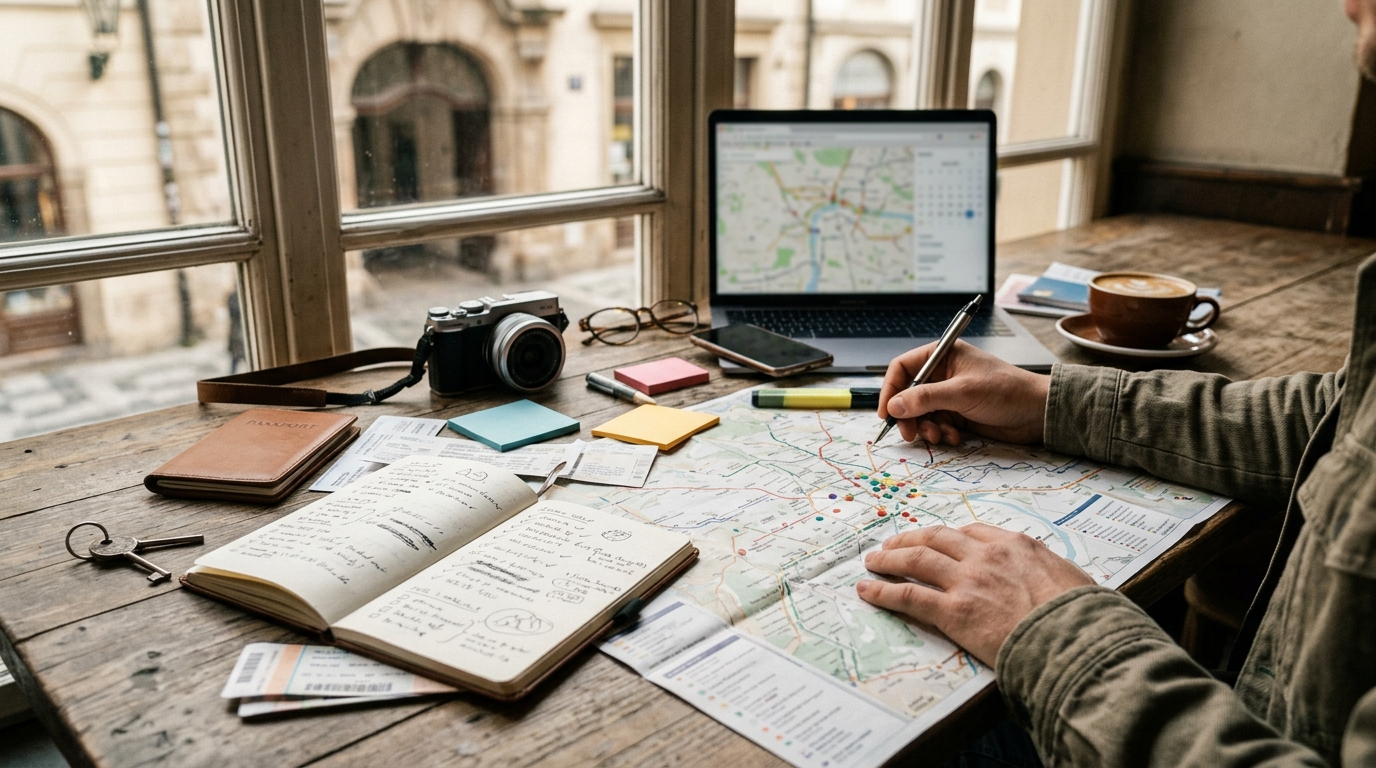

The conversation